1.2 million tuk-tuks going electric: what Sri Lanka’s e-three-wheeler push means for drivers
A Ministry of Transport and UNDP pilot shows electric three-wheelers can cut fuel and maintenance costs. What the shift means for the drivers behind Sri Lanka’s 1.2 million tuk-tuks.
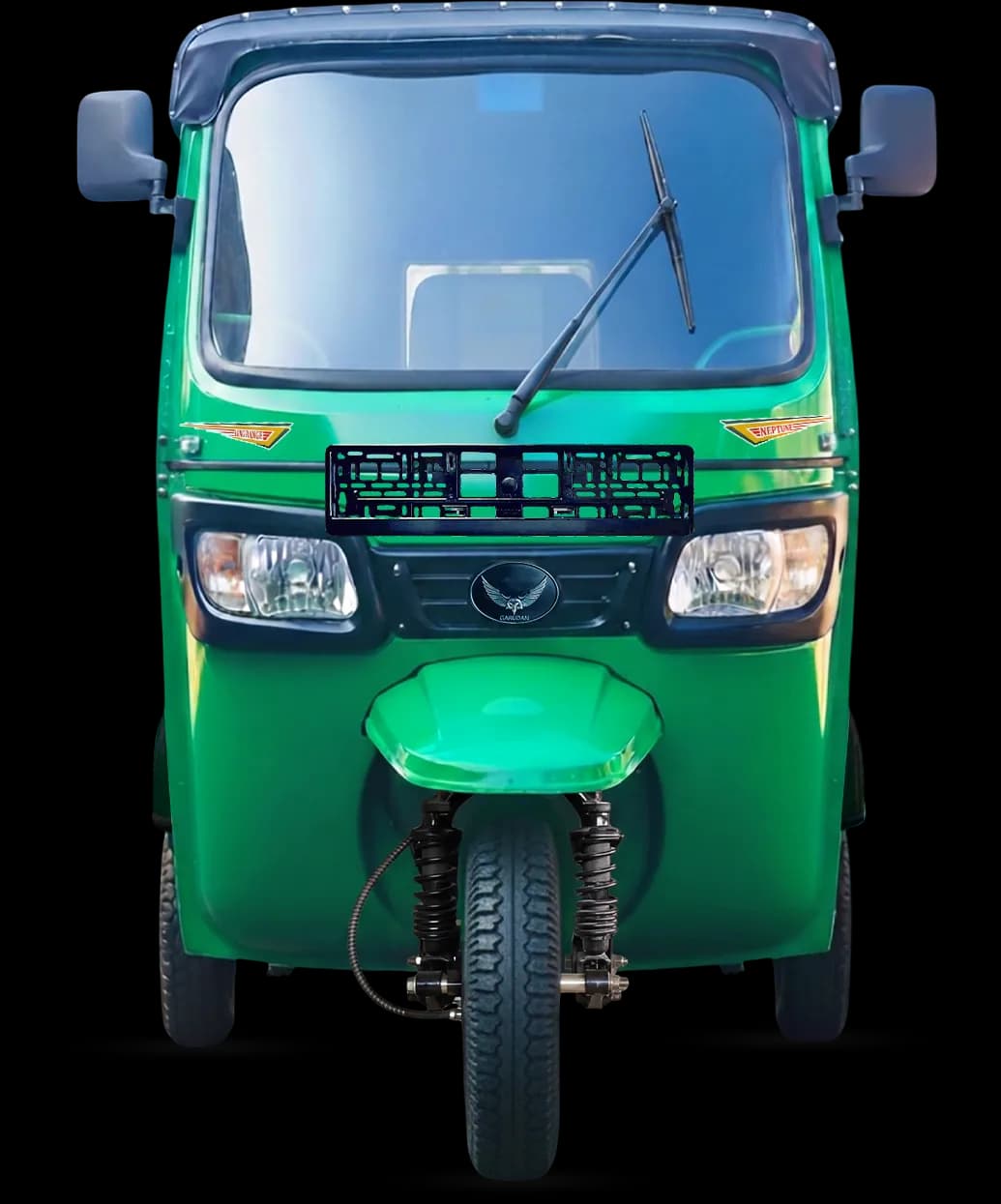
Sri Lanka has more than 1.2 million three-wheelers — for many families, the tuk-tuk is both transport and livelihood. Almost all of them run on imported fuel, which exposes drivers to every swing in global oil prices.
A pilot run by the Ministry of Transport with the United Nations Development Programme (UNDP) tested converting petrol three-wheelers to electric. Its findings point the same way as drivers’ own experience: electric three-wheelers reduce fuel and maintenance costs, cut emissions and improve air quality in busy towns.
For drivers, the practical questions are range, charging and battery life. Range decides whether one charge covers a working day; charging decides whether you depend on public chargers; battery life decides what the vehicle is worth in five years.
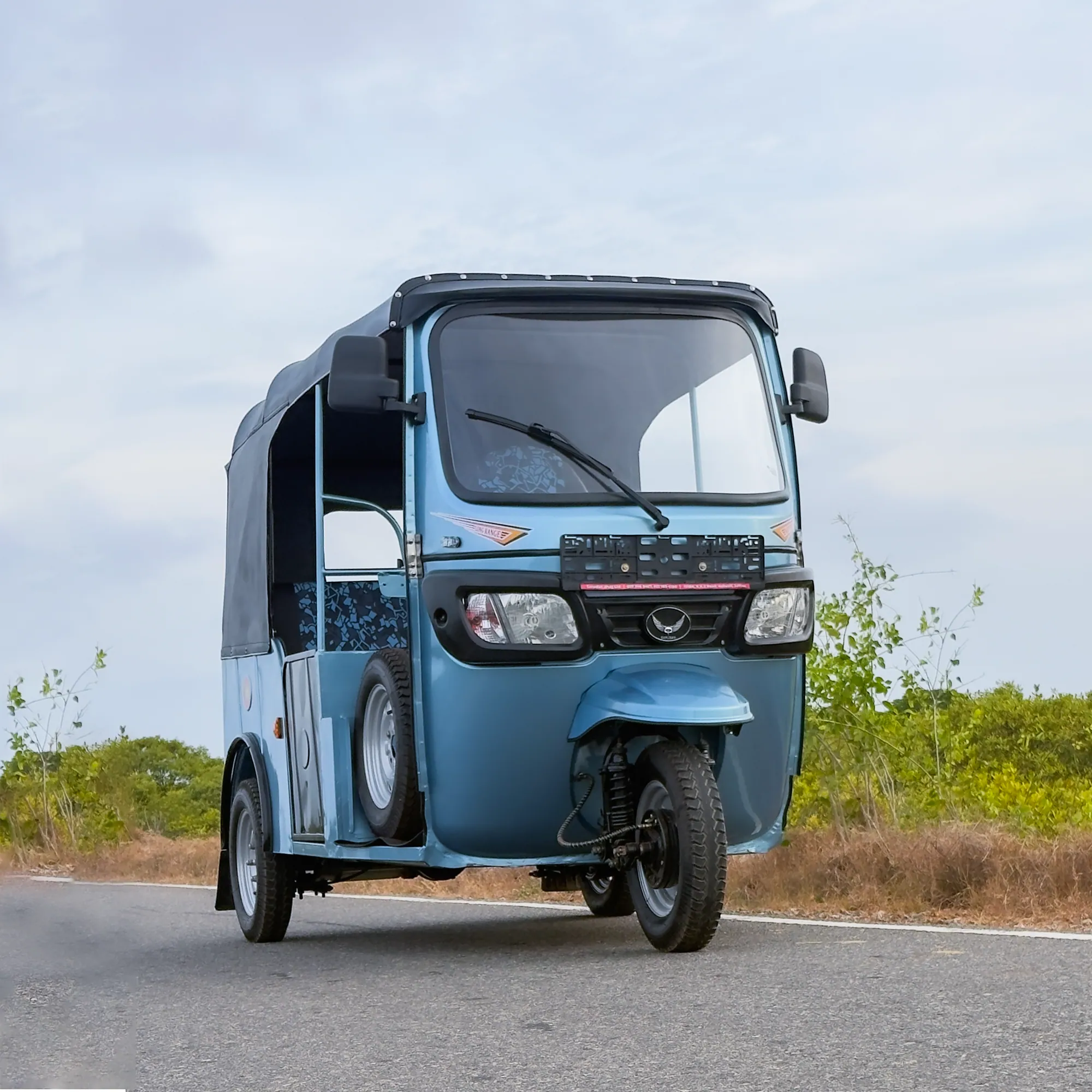
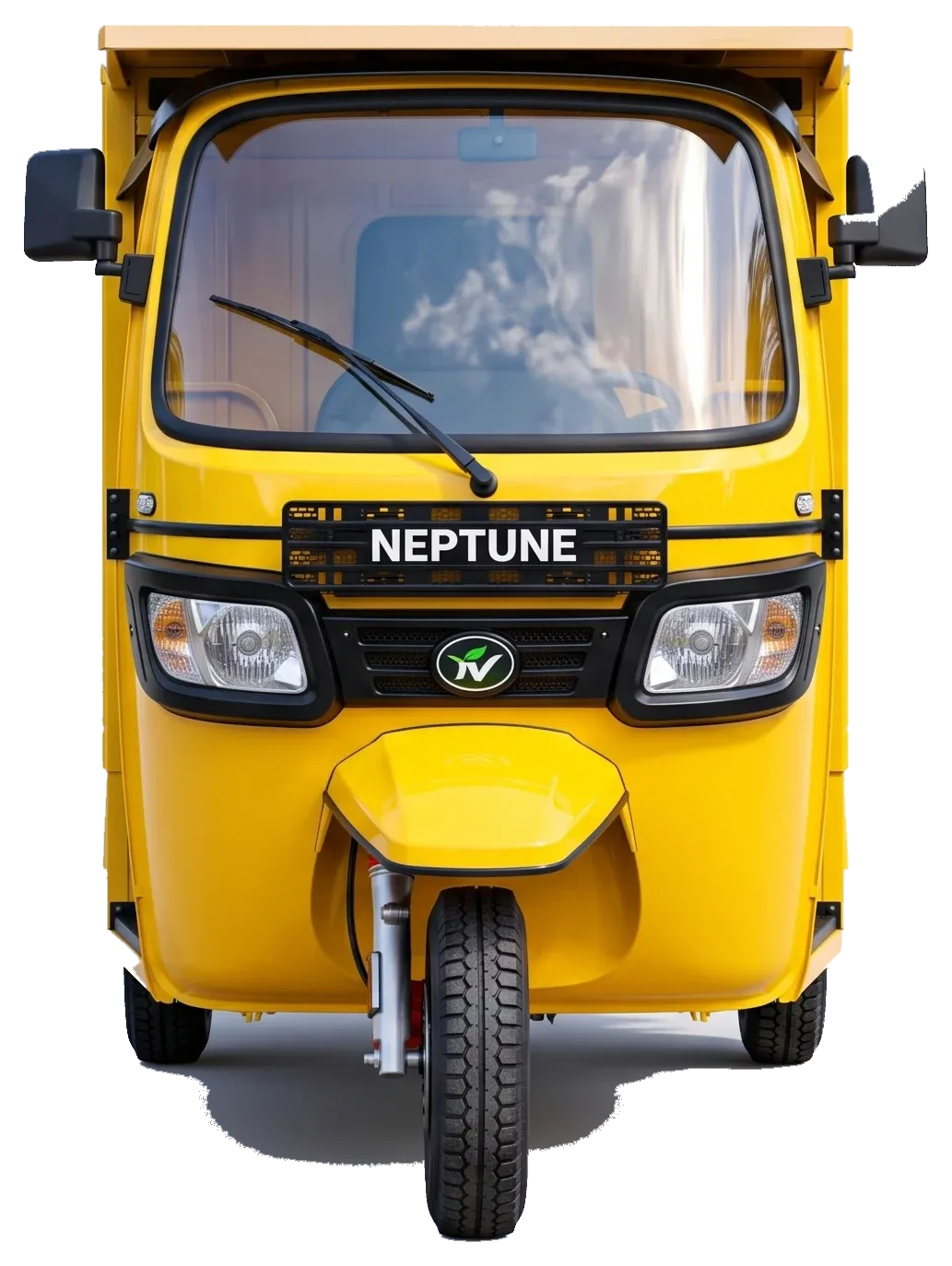
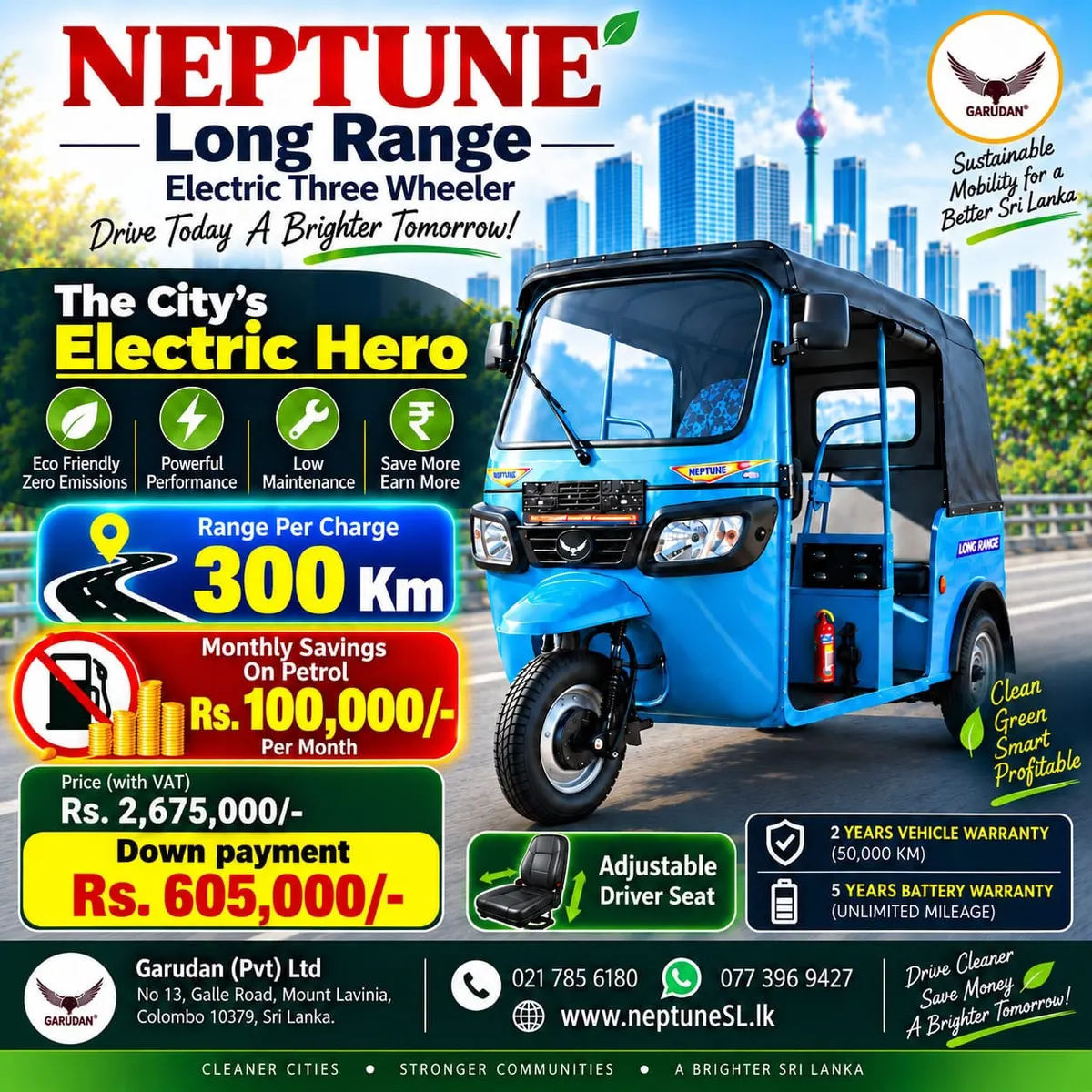
Factory-built electric three-wheelers answer those questions by design. The Neptune Electric Three Wheeler is rated for 250–300 km per charge, charges from a household socket in around 6 hours, and uses a LiFePO4 battery — a chemistry known for long cycle life and thermal stability. The motor and battery are IP67 rated against dust and water.
Battery confidence matters most, which is why the Neptune battery pack carries a 5-year manufacturer’s warranty with unlimited mileage, alongside a 24-month / 50,000 km vehicle warranty.
The transition will not happen overnight, but the direction is clear. Drivers who understand the numbers today will be best placed to benefit as charging access and support for electric mobility grow.